
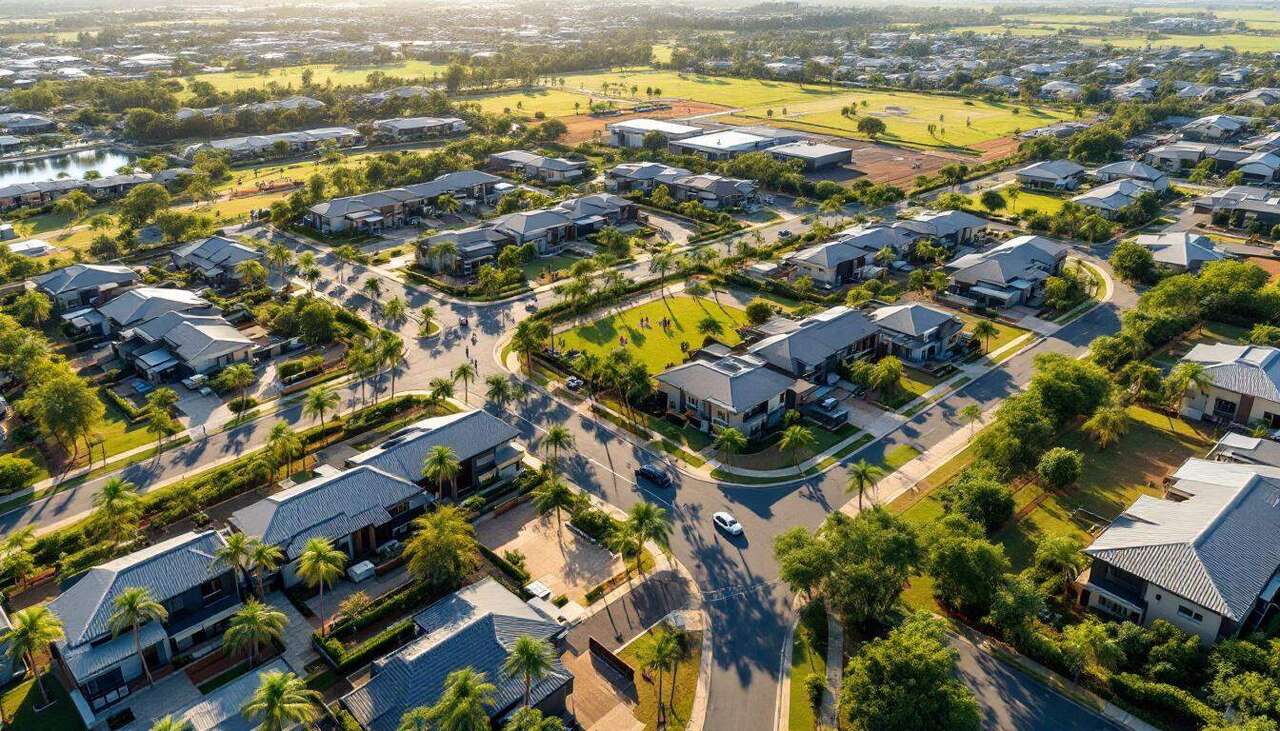
Yamanto, QLD — Suburb Guide
Yamanto is a family growth suburb 42 km west of the Brisbane CBD, in the Ipswich Corridor growth corridor. The area is anchored by Yamanto Central and connected to the city via Cunningham Highway. Yamanto State School draw families to the area. Yamanto is a southern Ipswich growth pocket with new estate releases and a town-centre upgrade in progress, attracting buyers wanting affordability south of the river. House and land packages in Yamanto typically range from $590,000 to $760,000 on lots between 420 m² and 640 m². The median land price as of 2026 is approximately AUD $330,000.
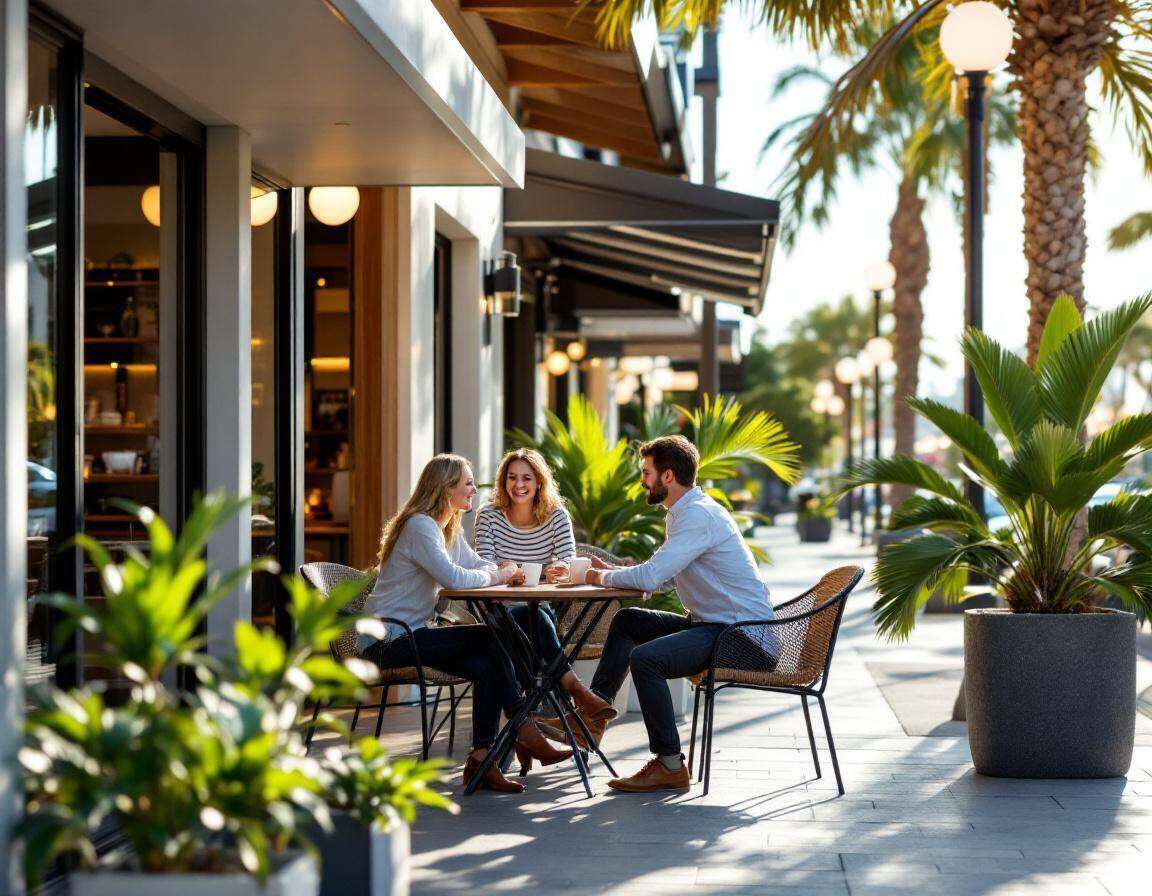
Lifestyle in Yamanto
Lifestyle in Yamanto centres on the suburb's family growth character. The Yamanto Central estate(s) anchor most weekend life, with cafés in the town centre, a sporting precinct and walking trails between residential pockets. Residents are typically families and first-home buyers drawn by the 42 km distance to the Brisbane CBD and the price point — typical packages here are $590,000 to $760,000, well below the metropolitan median for new builds. Weekends are typically spent at the local sports ovals, the regional shopping centre, or accessing nature via the Werribee River, coastline or regional reserves depending on the corridor. The community demographic skews young-family, with the most common household type being couples with school-age children, and the most-built design type being single or double-storey four-bedroom homes on 420-640 m² lots.
Transport and infrastructure
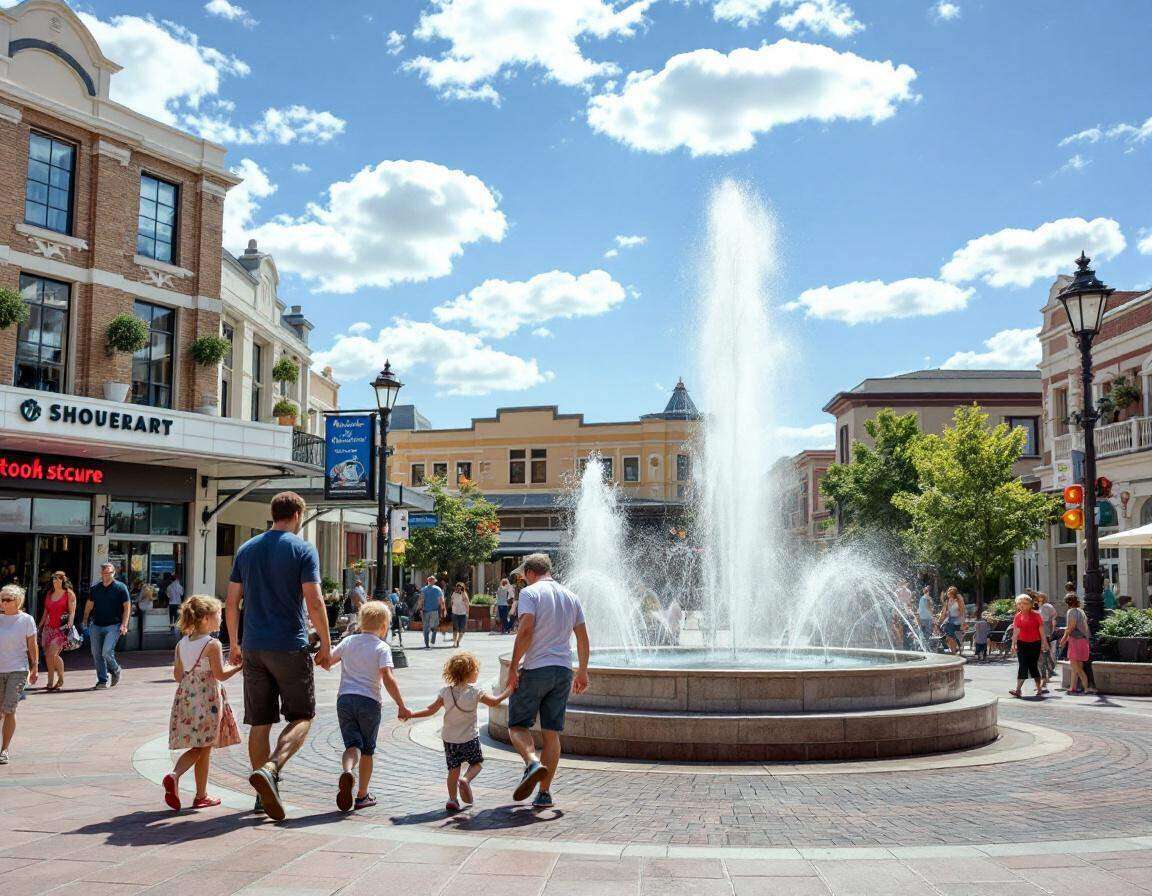
Yamanto connects to the Brisbane CBD primarily via Cunningham Highway. Commute times typically run between 35 and 65 minutes by car at peak times, with public-transport options adding 10–20 minutes depending on transfer waits. For families, Yamanto State School cover the catchment, and most new estates include local kindergartens, primary schools and community pavilions. Health services are accessed via the regional hospital network — usually within 15 km — and there is at least one bulk-billing GP clinic in the town centre. Retail is anchored by the suburb's main town-centre precinct, with supermarkets, fast-food chains, banks and weekly farmers' or community markets. Most new homes in Yamanto are connected to natural gas, NBN fibre (FTTP in newer estates), and council waste collection at the standard QLD rates.
Schools and services
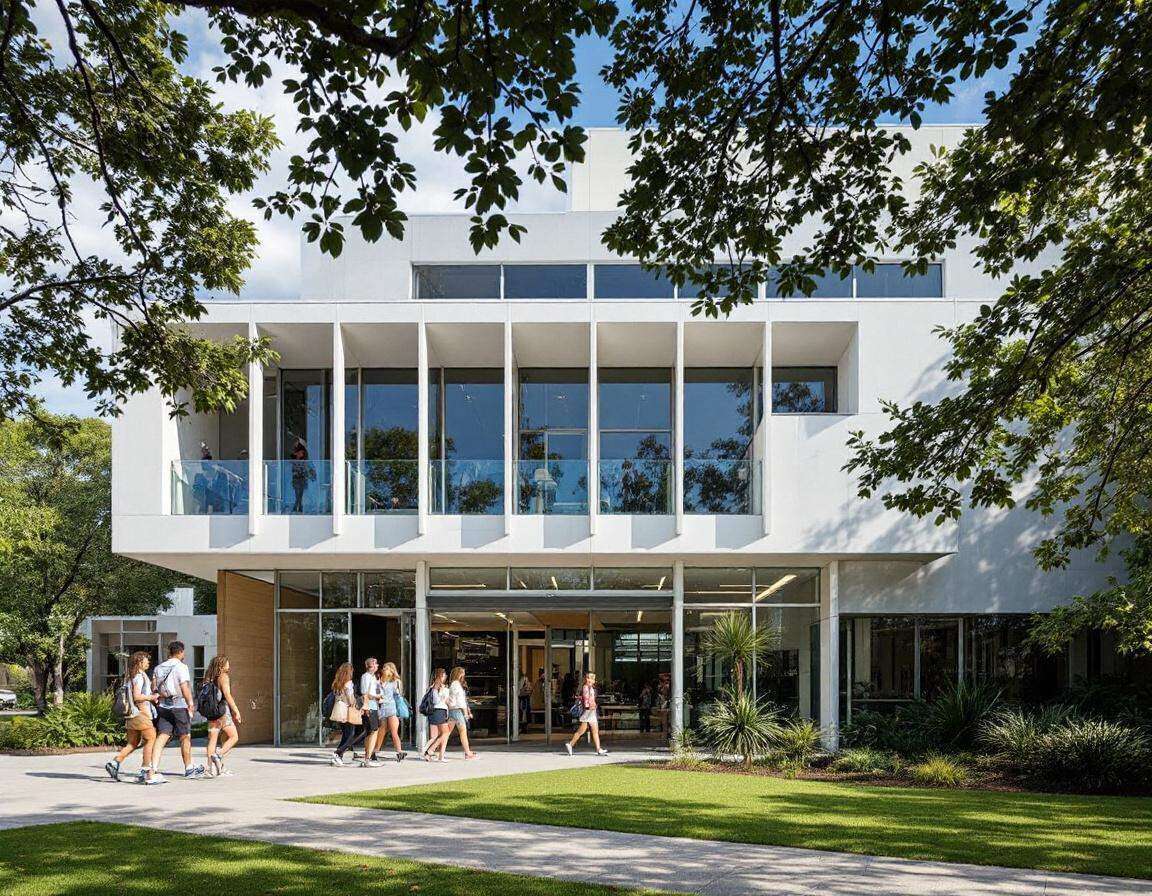
Yamanto State School. Most new estates in Yamanto include a community kindergarten, a primary school within a 1 km walking radius and access to a regional secondary college.
Yamanto new-build market
As of 2026, the median lot price in Yamanto is approximately $330,000 for a lot in the 420–640 m² range. New house-and-land packages most commonly land between $590,000 and $760,000 all-in, depending on the design (single vs double storey, size, inclusions level and façade choice). Land values have grown an average of 6–9% annually over the past five years in this corridor, with steeper growth in suburbs with new train station openings or town-centre completions. Construction costs in QLD have stabilised over the past 12 months after the post-2022 surge, and most builders quoting in Yamanto are now offering price-locked tender periods of up to 90 days. First-home buyers should factor in the QLD stamp-duty concessions and the First Home Owner Grant — currently between AUD $10,000 and $30,000 for new builds depending on the state — when budgeting.
Who builds in Yamanto?
The typical Yamanto buyer is a couple between 28 and 42 years old, with one or two children or planning to have them, a household income of $130,000–$220,000, and a 10–20% deposit. Renters upgrading to a first build make up the largest cohort, followed by intra-state movers (people moving from older inner suburbs to newer outer estates for space) and a smaller cohort of interstate movers, particularly from Sydney and Melbourne CBDs into more affordable corridors. Investor activity here is moderate — rental yields run roughly 4–5% gross, healthier than the inner-metro 2.5–3.5% but with slower capital growth. Builder selection in Yamanto is led by the major national players — Metricon, Henley, Burbank and Carlisle — alongside corridor-specific local builders that often offer better value on inclusions but smaller display home networks.

Ready to build in Yamanto?
Nearby suburbs
Builders in QLD
FAQs about Yamanto
- Is Yamanto a good place to build a new home?
- Yamanto is one of the more popular new-home destinations in the Ipswich Corridor corridor, with established estates around Yamanto Central and good access via Cunningham Highway. Buyers are typically drawn by family growth character and price points that sit below the QLD metropolitan median for new builds.
- What is the median land price in Yamanto?
- As of 2026 the median lot price in Yamanto is approximately AUD $330,000. New house and land packages typically range from $590,000 to $760,000 depending on the design and lot size.
- How far is Yamanto from the Brisbane CBD?
- Yamanto is approximately 42 km west of the Brisbane CBD. The most common commute is via Cunningham Highway; typical peak commutes run 35–65 minutes by car or roughly 50–80 minutes by public transport.
- Which builders operate in Yamanto?
- The major national builders Metricon, Henley, Burbank and Carlisle Homes all build in Yamanto, alongside regional specialists. See the builders directory on HousingMarket.com.au for current pricing.
- What lot sizes are typical in Yamanto?
- Typical lot sizes in Yamanto range from 420 m² in newer compact estates to 640 m² in older streets and premium pockets. The median is around 530 m².
- What schools serve Yamanto?
- Yamanto State School. Most families also have access to private school bus services and several denominational schools serving the broader Ipswich Corridor corridor.
- What is the typical build time in Yamanto?
- Single-storey builds in Yamanto typically complete in 9–12 months from slab to handover; double-storey builds run 12–15 months. Build times in 2026 are more predictable than 2022–24 thanks to easing material constraints.